
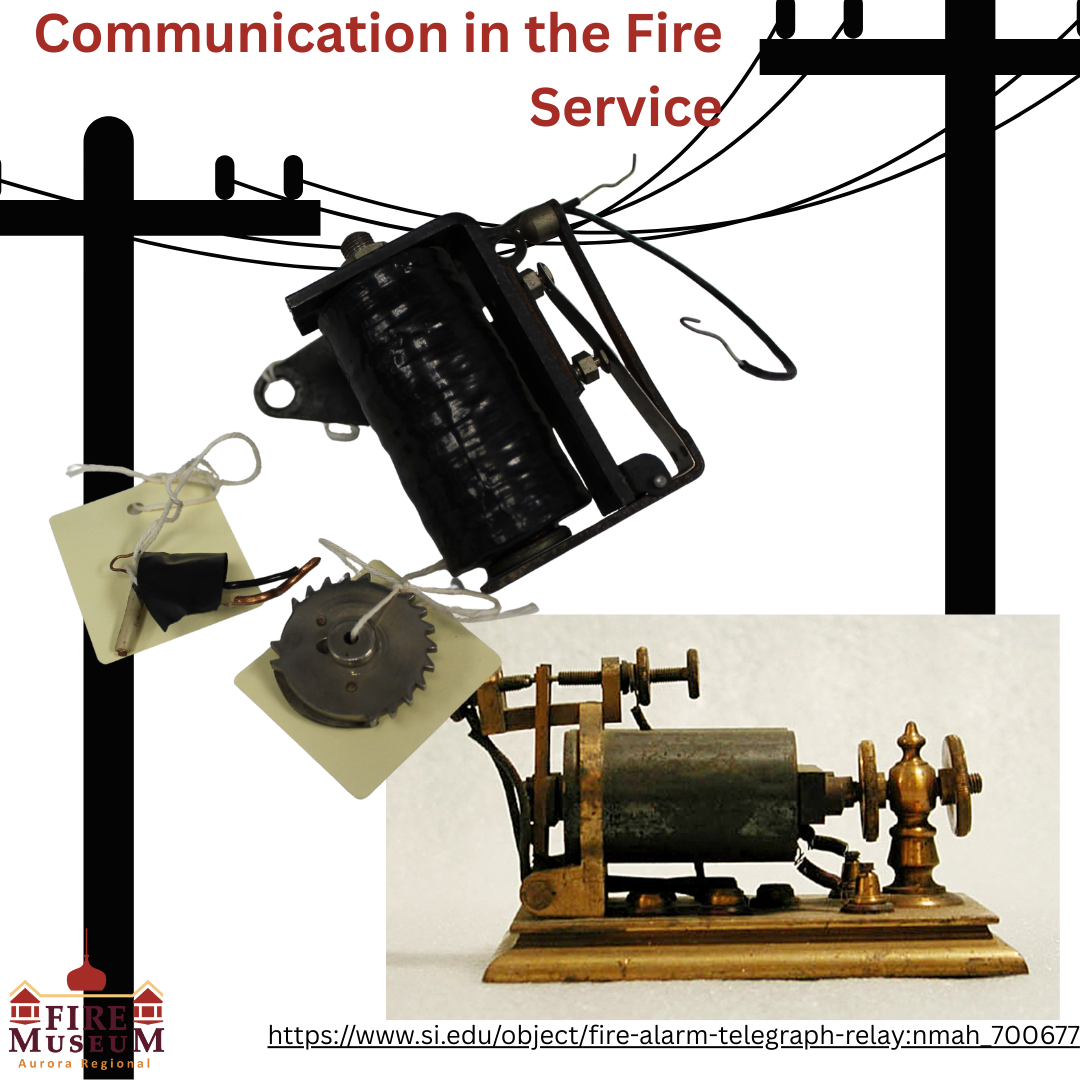
The bits of metal seen before you is actually a telegraph, though it may not seem like much but it was certainly helpful during the 19th century. The first aspect of the telegraph was made by a Frenchman called Claude Chappe. In the year of 1794, he was able to successfully create an optical telegraph that relayed a message over 9 miles. Europeans continued to advance this new technology until it reached the United States. The optical telegraph then began to lose its popularity when electrical telegraph began to be widely used. The difference between the two is that an optical uses towers with arms or boards on top to create words visually by moving the arms to communicate with the other towers while an electric uses a magnetic field to make the needle move left or right. Which was a much cheaper and stable option at the time.
An American painter and inventor known as Samuel F.B. Morse began to fiddle around with the telegraph to relay messages for farther distances. He was then able to create a device that would be able to make a series of electrical pulses which would then be translated into words by the person receiving the message. Once this method was implemented by the government, states were now able to communicate with one another faster than ever before. The telegraph was then placed at official government buildings such as newspaper offices, police stations, and fire stations. The fire stations placed numerical alarm boxes with telegraph keys connected via a telegraph cable; One box is kept in the central alarm station, and the others are placed somewhere easily accessible out in the neighborhood.
Reporting an emergency with the fire alarm telegraph was a multi-step process. First, the central alarm office receives the call from the fire alarm box from which it is pulled. The alarm office would know where the call was coming from based on the number of the fire alarm box that would be punched out of the piece of paper tape. Then, the dispatcher would send out the alarm and box number to the closest firehouse. Eventually, technology advanced and the telegraph became less popular once the telephone was introduced in the late 1800’s.
In Aurora, the city finally authorized the construction of the fire alarm telegraph on December 18, 1878. By January 22, 1879 the connections of the fire alarm box were completed. One was located in the Broadway stairway of the Aurora National Bank block, and the other on River street. Unfortunately, in between the construction of the fire alarm boxes, a man by the name of Thomas Bexon fell to his death on the 15th of January in 1879 when he was fastening wire to the last pole.
By the 1920's the rotary dial telephone became the most efficient way to communicate especially in times of urgency. This eventually led to the fall of the telegraph. The last telegram message was sent in the year of 2006 on January 26th to the office of Tom Wolfe in Manhattan.
By Paola Hurtado, Waubonsee Community College Student